3D Engineering
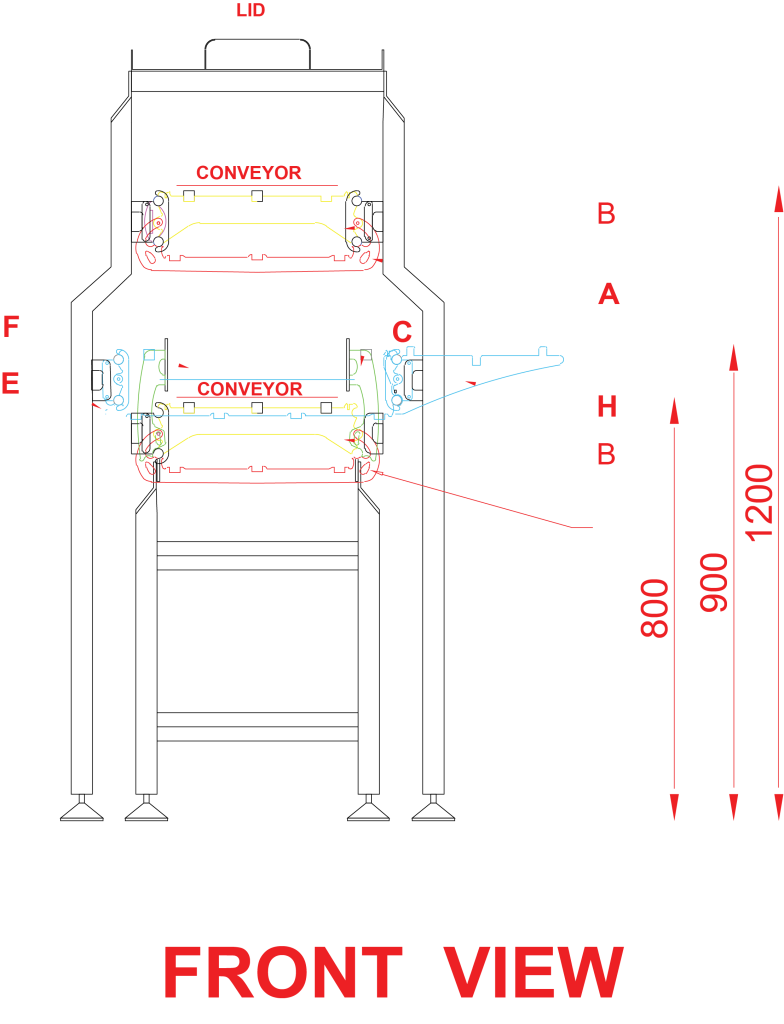
I created a detailed technical engineering drawing of a dual belt conveyor system for the food production industry using AutoCAD.
The project involved developing an accurate representation of the conveyor system, including the two conveyor belts, supporting framework, rollers, drive mechanisms and essential structural components. I focused on producing precise measurements, dimensions and technical specifications to ensure the drawing clearly communicated the overall design, layout and functionality of the equipment. Particular attention was given to the positioning and alignment of the conveyor belts to demonstrate how the system would transport food products efficiently through different stages of the production process. Using AutoCAD, I translated the engineering concept into a professional technical drawing that could be used as a reference for manufacturing, assembly and installation. This project allowed me to apply my CAD drafting, technical illustration and engineering design skills while gaining experience in producing detailed industrial equipment drawings for practical manufacturing applications.
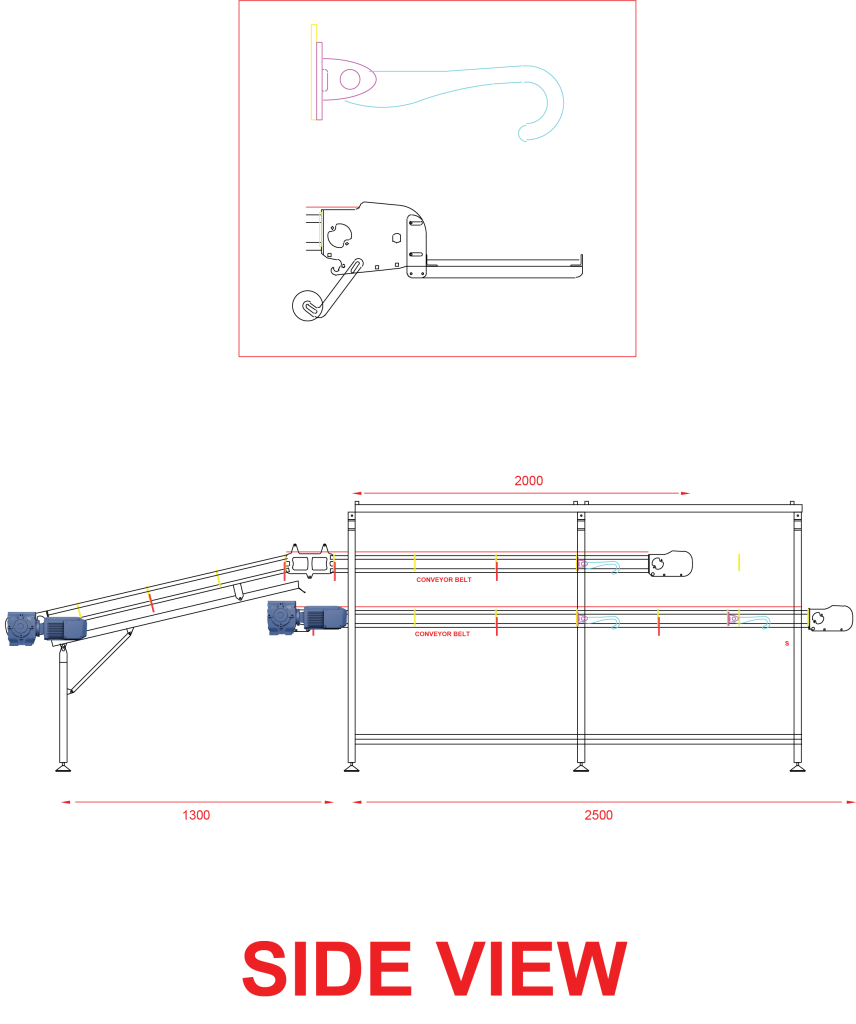
I created a detailed side-view technical drawing of a dual belt conveyor system for the food production industry using AutoCAD. The drawing focused on illustrating the overall length, height, structure and mechanical arrangement of the conveyor system, showing how the two conveyor belts were positioned to transport food products efficiently through the production process.
I included important structural elements such as the supporting framework, rollers, belt assemblies, drive mechanisms and other essential components. Particular attention was given to accurate measurements, dimensions, spacing and alignment to ensure the drawing was technically precise and easy to interpret. Using AutoCAD, I transformed the engineering concept into a professional 2D technical drawing that clearly communicated the conveyor’s design and functionality. This project allowed me to demonstrate my technical drafting, engineering illustration and CAD skills while developing a detailed visual representation that could assist with manufacturing, assembly, installation and communication between engineering and production teams.
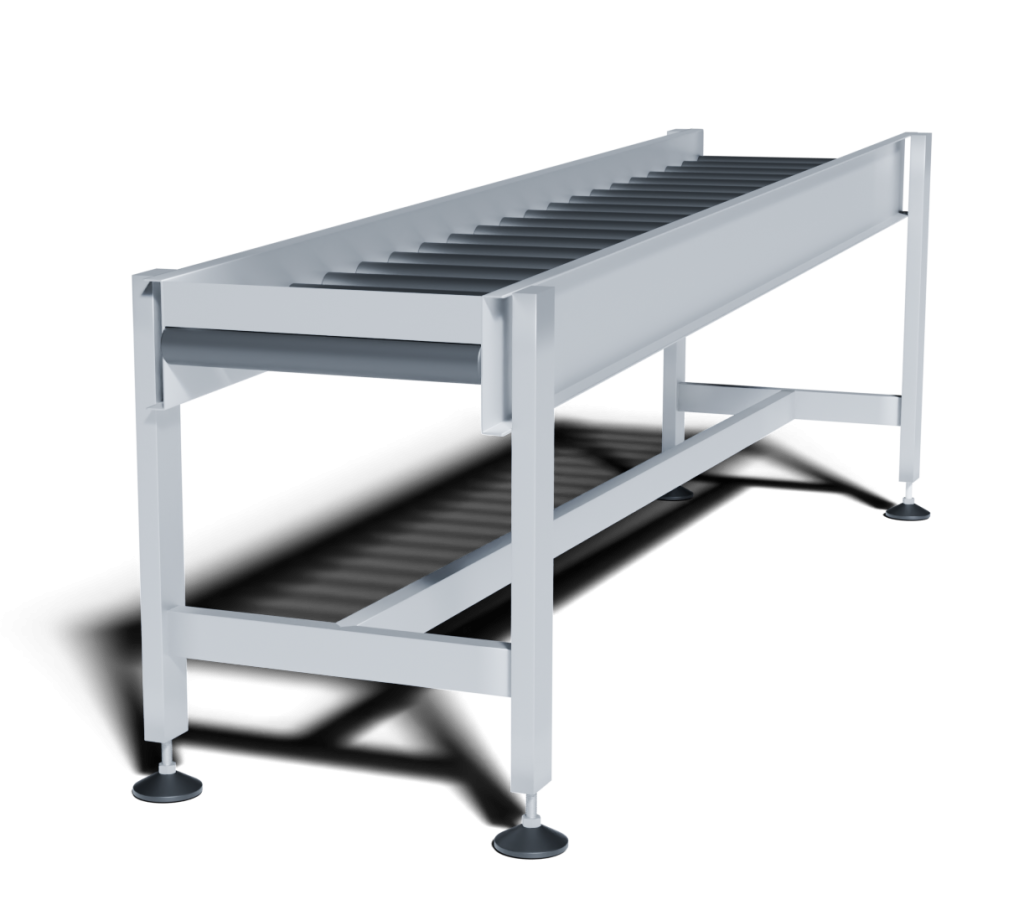
I created a detailed 3D model and realistic render of a stainless steel roller table designed for box packaging using Blender. The project involved modelling the complete structure, including the stainless steel framework, support legs, rollers and connecting components.
Particular attention was given to the proportions, dimensions and positioning of the individual rollers to accurately represent the table’s functionality and industrial design. I used Blender’s modelling, material and lighting tools to achieve a realistic stainless steel finish, highlighting the reflective surfaces and mechanical details of the equipment. The rendering process allowed me to present the roller table as a professional visual representation suitable for industrial and manufacturing applications. My aim was to communicate the equipment’s construction, appearance and practical purpose within a packaging production environment. This project demonstrated my 3D modelling, product visualisation, material development and rendering skills, transforming an engineering concept into a detailed and visually appealing 3D presentation.
I created a detailed 3D model and realistic render of a fillet flattener machine assembly for the food production industry using Blender. The project involved modelling the complete machine assembly, including its stainless steel framework, processing rollers, conveyor components, supporting structures and individual mechanical parts.
Particular attention was given to the positioning, proportions and alignment of the various components to accurately represent how the machine fits together and operates as a complete production unit. I used Blender’s modelling, material development, lighting and rendering tools to create realistic stainless steel finishes and detailed mechanical surfaces. The aim was to produce a professional 3D visualisation that clearly communicated the machine’s construction, assembly and overall functionality within a food processing environment. This project allowed me to demonstrate my technical 3D modelling, product visualisation and rendering abilities, transforming an industrial engineering design into a detailed and realistic presentation suitable for manufacturing, engineering documentation and client presentations.
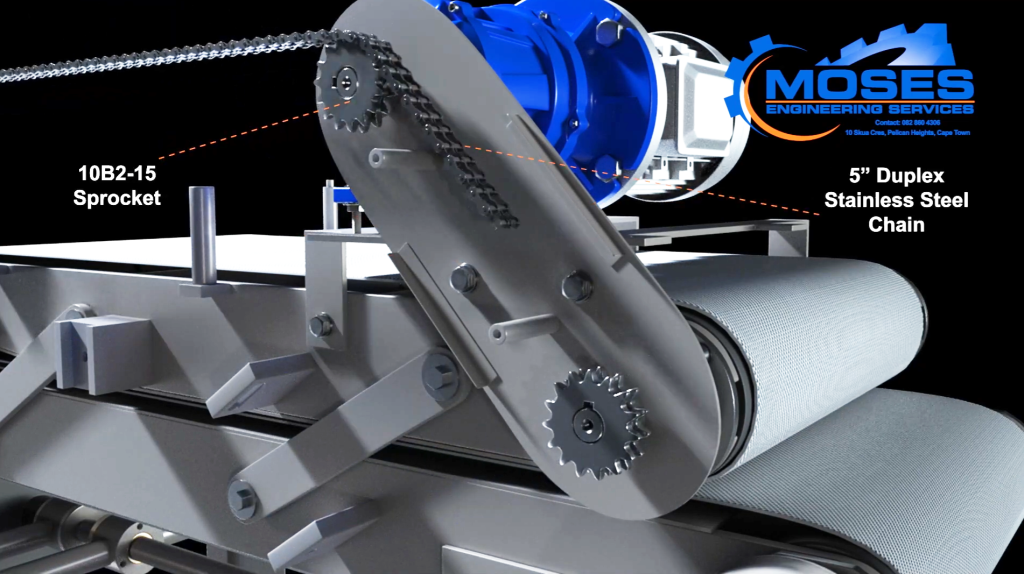
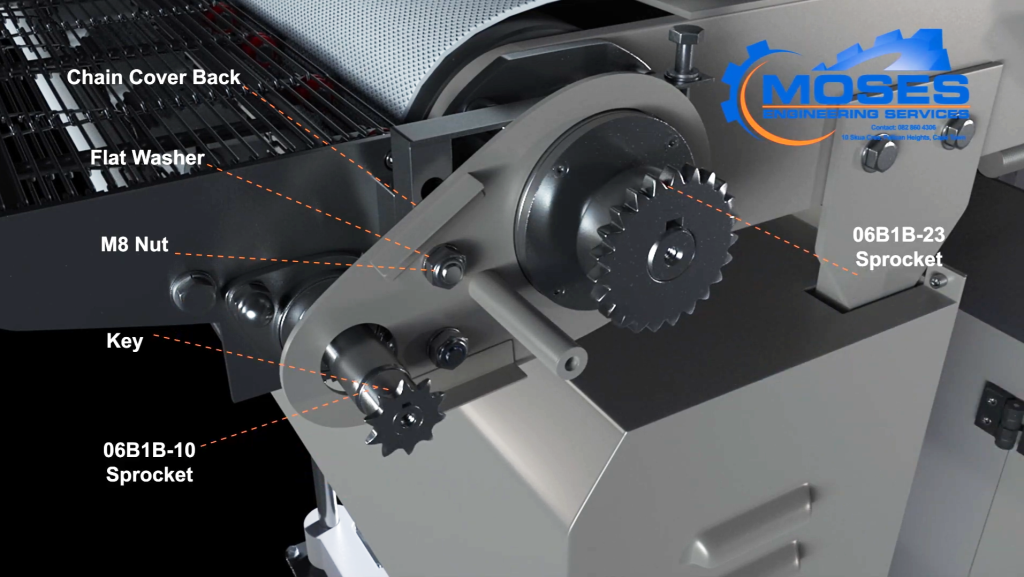
I created an additional 3D render of a fillet flattener machine assembly for the food production industry using Blender, showcasing the equipment from a different viewing angle. This alternative perspective allowed me to highlight the machine’s overall construction, mechanical layout and the relationship between its individual components. The model included the stainless steel framework, processing rollers, conveyor mechanisms, support structures and various assembly components.
Particular attention was given to maintaining accurate proportions, positioning and alignment to ensure the equipment was presented realistically from this new viewpoint. Using Blender’s material development, lighting and rendering tools, I enhanced the stainless steel surfaces and mechanical details to achieve a professional industrial appearance. Producing multiple viewing angles helped communicate the machine’s design more effectively, providing a clearer understanding of its structure and assembly. This project demonstrated my ability to create detailed 3D industrial models and professional product visualisations for engineering, manufacturing and food processing applications.